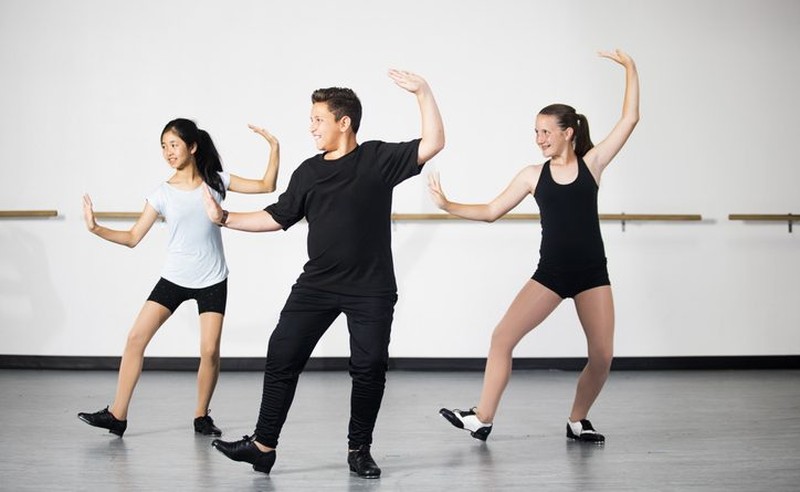
Tap dance is one of the most rhythmical dance forms, where the feet act as drumming instruments. Every shuffle, stomp, and tap designs a sound that connects straightforwardly to the beat of the music. For juniors, learning tap is not about mastering dance steps—it is about expanding a deep understanding of rhythm.
Tap dance communication teaches kids and adults to tune in, count, and feel music in a habit that strengthens timing and arrangement.
The Connection Between Tap Dance and Rhythm
Tap is unique because dancers do not just move to the beat—they create it. The footwear itself acts as a tool, turning each movement into sound. This next feedback allows juniors to hear if they are all in once, making rhythm preparation an active one in every communication. Read the points below about How Tap Dance Lessons Help Build Rhythm.
How Tap Dance Builds Rhythmic Skills
1. Listening and Timing
- Students are trained to listen cautiously to beats, accents, and pauses.
- By reacting to music patterns, they develop a normal sense of timing.
2. Counting the Beat
- Tap classes teach dancers to exclude loud (like, “1-2-3-4”) while performing steps.
- This practice strengthens rhythm acknowledgment and helps dancers maintain tempo.
3. Developing Syncopation
- Tap frequently uses off-beats and unexpected accents.
- By undertaking syncopated rhythms, juniors learn to move further basic counting and add musical complexity.
Physical Coordination and Rhythm
Rhythm in dance is not only about trying the beat—it is also about moving the body in agreement with it. Tap dance strengthens coordination between the ears, mind, and extremities.
· Footwork Accuracy:
Learning to control taps on the ball, heel, or toe sharpens accuracy.
· Body Attention:
Students learn how posture and weight shifts affect organization.
· Multitasking Skills:
Combining movement, sound, and expectation develops cognitive adaptability.
Creative Expression Through Rhythm
Tap dance is also an artistic outlet. Once pupils master basic organization, they are encouraged to dream up and experiment with beats.
- Improvisation teaches dancers to trust their sense of organization.
- It allows them to “play” with pauses, accents, and beat changes.
- Creativity in rhythm builds assurance and performance abilities.
Advantages Beyond the Dance Studio
The rhythmic coaching gained from tap dance offers many other aspects of life:
· Music Skills:
Students gain a better recognition of percussion, beats, and rhythm.
· Learning Growth:
Pattern recognition and thought from dance support math and knowledge development.
· Sports and Fitness:
Athletes benefit from sharper footwork and organization.
· Public Speaking:
Rhythm helps with pacing, delivery, and assurance when performing.
Tips for Students Training Tap
Parents and scholars can support rhythmic growth accompanying these simple methods:
· Start Slow:
Focus on clean, accurate sounds before increasing speed.
· Use a Metronome:
Practicing with stable beats improves organization.
· Record Practices:
Listening back helps identify districts for improvement.
· Explore Different Music Styles:
Jazz, swing, and pop broaden cadenced understanding.
Conclusion
Tap dance lessons are individual of the most productive ways to build music. By combining activity with sound, students are able to hear, count, and feel music more deeply. Beyond the workshop, these rhythmic abilities enhance assurance, creativity, and common coordination. Whether a beginner or a leading dancer, tap specifies a joyful way to master beat while enjoying the skill of dance.